
5 Unforgettable Ways To Welcome 2026
Travel Destinations


Audio By Carbonatix
By Kevin McCullough
If you’re going to cross the threshold into 2026, do it somewhere that feels like a story you’ll tell for the rest of your life—not just another countdown in a crowded room. These five New Year’s Eve destinations deliver a truly distinct experience: ancient rituals, wild public traditions, epic natural backdrops, and the kind of communal electricity you can’t manufacture.
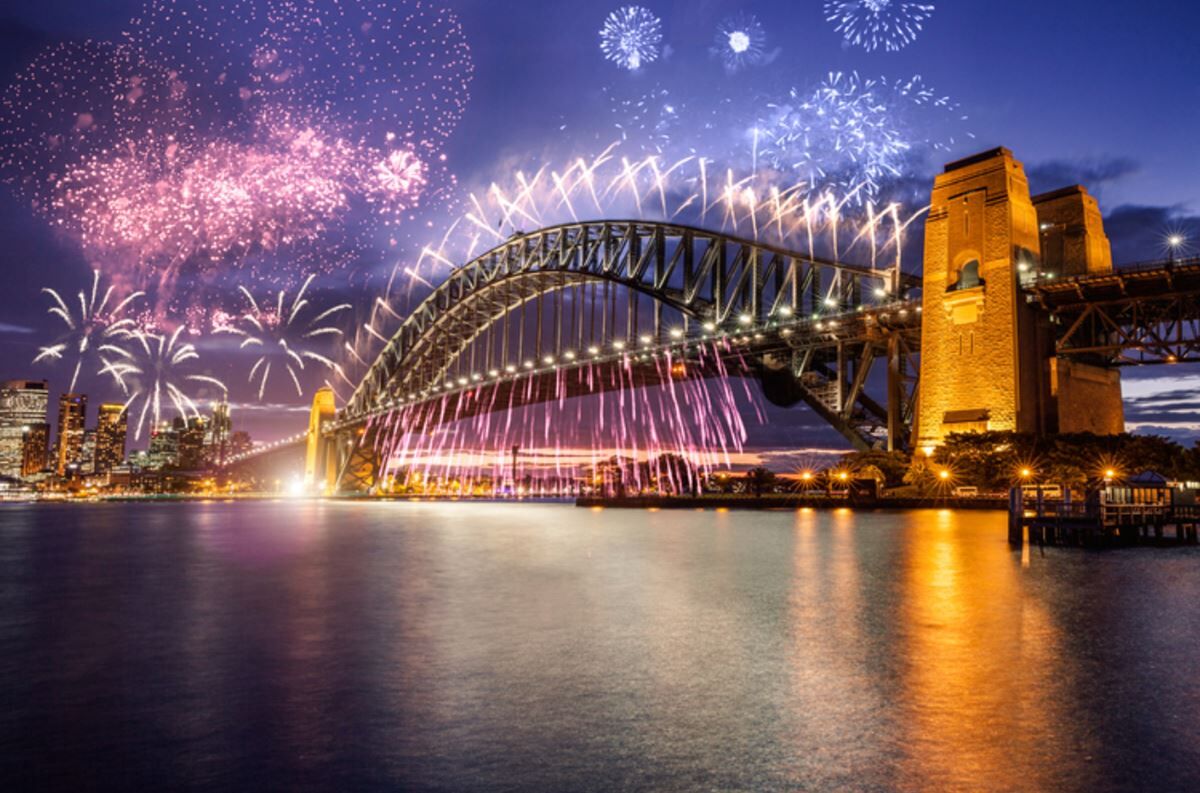
1) Sydney, Australia —
The world’s first “big” midnight (Harbour + fireworks)
Sydney doesn’t just do New Year’s Eve. Sydney broadcasts it to the planet—Harbour Bridge, Opera House, boats in the water, and a skyline that looks built for celebration. The most iconic experience is locking in a vantage point early and making a day of it: picnic energy, anticipation, then the city detonates into light at midnight.
Make it unique:
Do NYE “on theme” by planning your night around the Harbour schedule and official viewing areas, rather than wandering last-minute. Start with a sunset spot, then settle in for the main event. The city’s official NYE programming and schedules are posted each year.
Local tip:
If you want a more elevated (and weather-proof) option, venues like the Sydney Opera House regularly program ticketed NYE performances and events.
2) Tokyo, Japan —
Ring out the old year with temple bells (Joya no Kane)
Tokyo’s most memorable NYE isn’t loud—it’s spiritual, cinematic, and deeply Japanese. Across the country, Buddhist temples ring bells in the ritual called joya no kane, traditionally struck 108 times to symbolize cleansing worldly desires as the year turns.
Make it unique:
Skip the “club vs. fireworks” binary and do a temple-bells-to-hatsumōde arc: listen to the bells around midnight, then join the flow of people doing hatsumōde—the year’s first shrine/temple visit—right after.
Planning note:
Some temples have participation limits or ticketing/entry rules on the night—Tokyo listings often publish practical details as the date approaches.
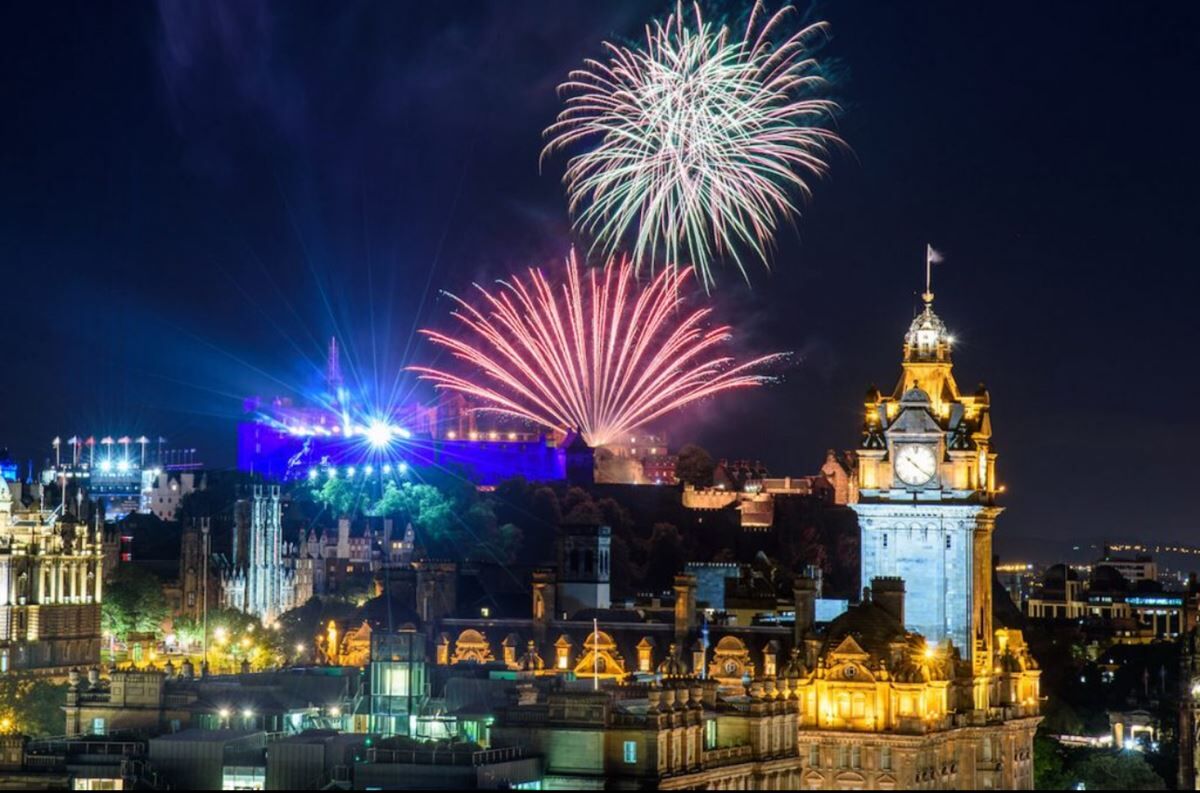
3) Reykjavík, Iceland —
Bonfires, satire TV, and a sky that won’t quit
Reykjavík on New Year’s Eve is a fever dream—in the best way. It’s part neighborhood tradition, part national ritual, and part “did that firework just…?” The classic arc: dinner → community bonfires → everyone goes home to watch the iconic satirical TV program Áramótaskaupið → then the city erupts into fireworks from every direction.
Make it unique:
Go local: choose one bonfire gathering early in the night (many start around the same time), then pick a high vantage point for the midnight chaos. The bonfire tradition and typical timing are well-documented, and Reykjavík hosts multiple community sites.
Local tip:
Bring serious layers, and eye protection isn’t a joke—this is a participatory fireworks culture, not a “stand behind a rope” culture.
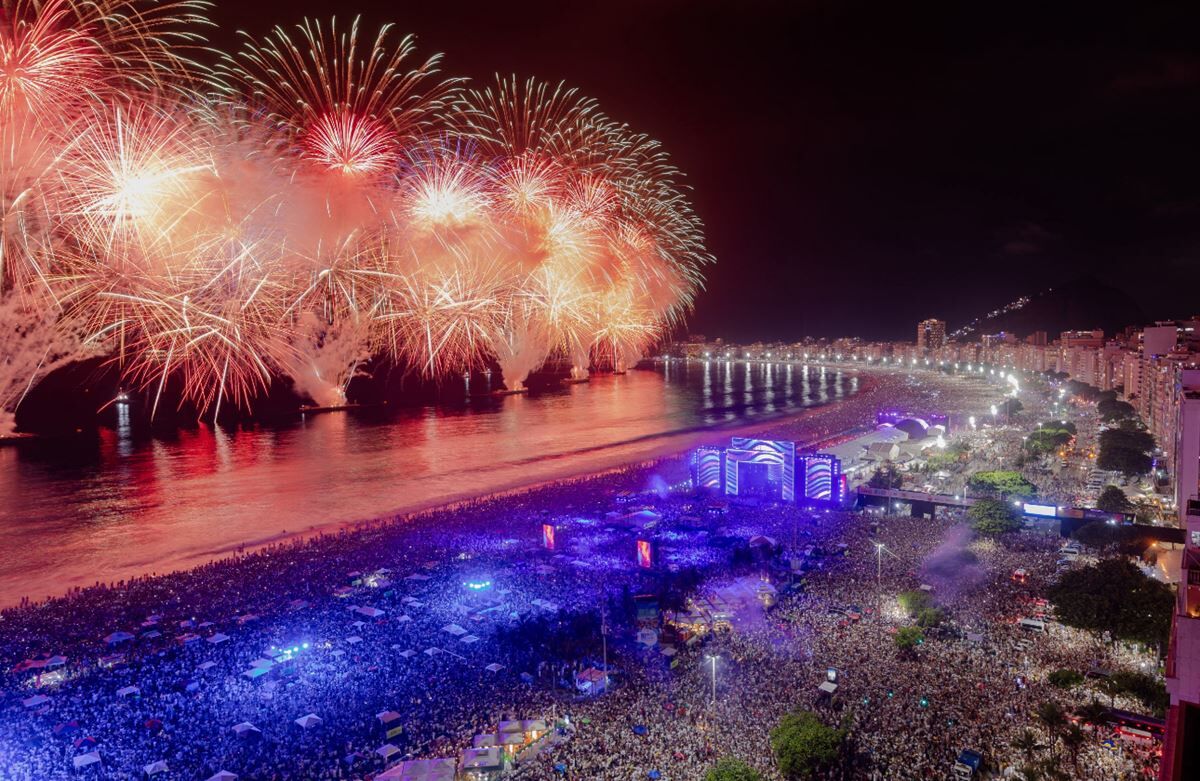
4) Rio de Janeiro, Brazil —
Copacabana’s white-night ritual (Réveillon)
If you want New Year’s Eve to feel like a massive, joyful, oceanfront spiritual festival, Rio owns this. On Copacabana Beach, it’s common for revelers to wear white and make offerings (often flowers) to the sea in honor of Iemanjá, paired with fireworks and music that roll across the shoreline.
Make it unique:
Don’t just watch fireworks—participate in the tradition. Wear white, arrive early, and take in the ritual element before midnight. Then let the night turn into a full-body celebration.
Planning note:
Rio’s city-scale operations for NYE can be enormous (multiple stages and major crowd logistics), and official city updates often recap crowd sizes and programming after the event.
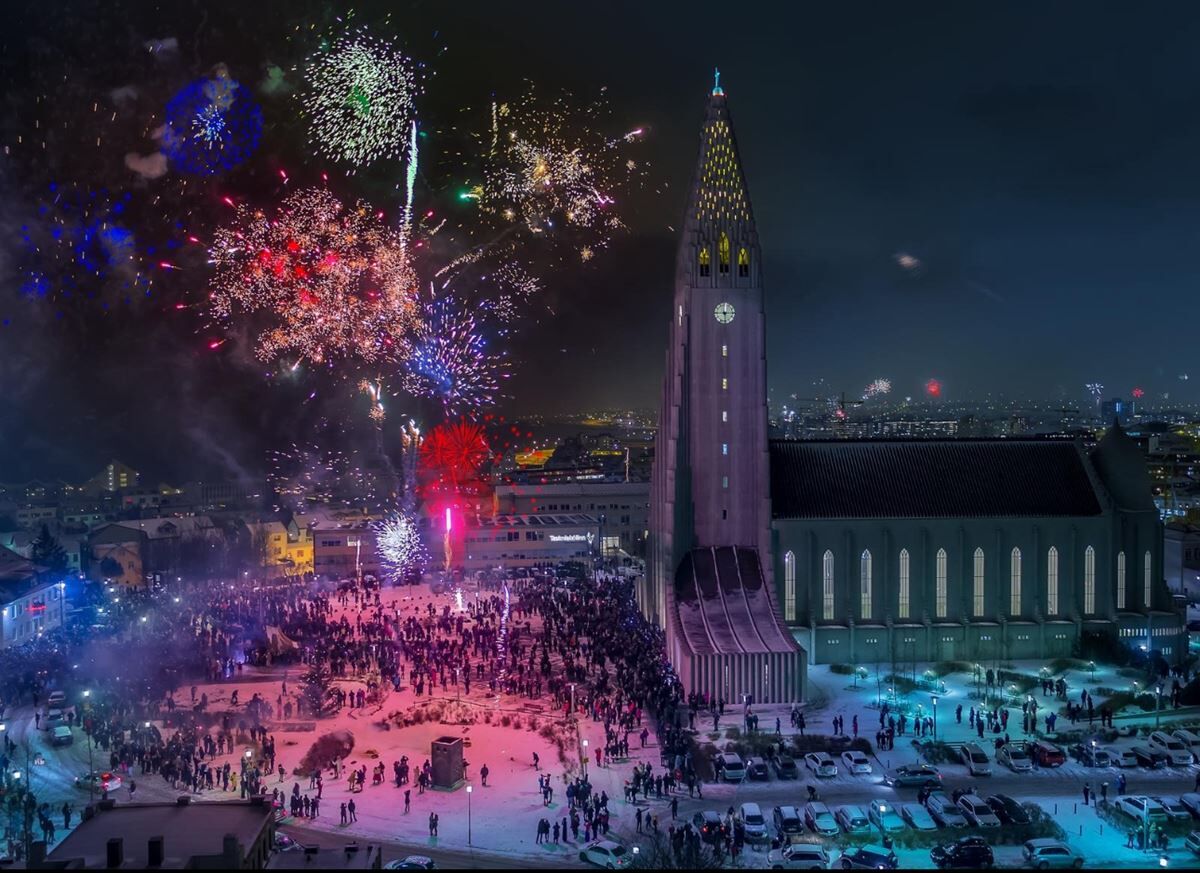
5) Edinburgh, Scotland —
Hogmanay: the New Year with a soul (and a dram)
Scotland treats New Year like it matters. In Edinburgh, Hogmanay is a full cultural experience—music, street energy, historic scenery, and traditions that feel older than the buildings. One of the signature customs is “first-footing”: being the first person to cross a friend’s threshold after midnight, traditionally bringing a small gift (think whisky, shortbread, coal) to symbolize good fortune.
Make it unique:
Plan your night as a two-act play: (1) the big communal celebration (street atmosphere / viewpoints), then (2) the intimate tradition—first-footing with friends, a toast, and a late-night bite.
Local tip:
Even if you don’t do ticketed events, you can still honor the Hogmanay spirit: learn “Auld Lang Syne,” bring a small “first-foot” gift, and end the night somewhere warm with live folk music.
